
Background Checks for Michigan Churches
Michigan churches depend on employees and volunteers to fill positions involving trust, responsibility and access—from ministry and administrative roles to youth programs, transportation, camps and community outreach.
Those positions are not all the same, and their background screening should not necessarily be the same either.
Background Check Central helps Michigan churches establish screening programs based on what an individual will actually be doing, who they will interact with and the responsibilities they will be given.
That may mean criminal-history research for one position, additional screening for someone working with children, or a motor vehicle record for someone transporting members or program participants.
The objective is not to conduct every search available.
It is to conduct the right screening for the role.
Need help determining the appropriate background screening for your church? Talk with a Background Check Central screening specialist.
Background Screening for Michigan Church Employees and Volunteers
Churches can present a particularly wide range of screening needs because so much of their work depends upon both paid employees and volunteers.
A single congregation may have:
- Employees
- Clergy and ministry staff
- Youth ministry workers
- Sunday school teachers and volunteers
- Nursery volunteers
- Camp personnel
- Volunteer drivers
- Financial and administrative personnel
- Community outreach volunteers
- Volunteers working with older adults or vulnerable individuals
- Occasional event volunteers
The responsibilities associated with those positions can vary considerably.
Someone volunteering at an annual fundraising event does not necessarily present the same screening considerations as someone who regularly works alone with children or transports youth to church activities.
For that reason, we believe church background screening should begin with a simple question:
What responsibility and access will this person have?
The answer can help determine the appropriate level of screening.
Which Church Employees and Volunteers Should Be Screened?
There is no single answer appropriate to every church.
Many churches establish screening requirements based upon the responsibilities associated with particular positions.
Those considerations may include whether an individual:
- Works with children or youth
- Works with older adults or vulnerable individuals
- Has unsupervised access to program participants
- Drives church vehicles or transports participants
- Handles money or has financial responsibilities
- Has access to facilities, homes or sensitive information
- Serves in a position of significant trust or authority
- Works in a program subject to particular licensing or regulatory requirements

Some churches choose to screen a broad range of employees and volunteers. Others establish different levels of screening for different positions.
What matters is having a deliberate and consistent process rather than deciding what to check only after a particular person applies or volunteers.
What Can a Church Background Check Include?
Depending upon the position, a church screening program may include one or more of the following.
Criminal History Searches
Criminal-history research can identify relevant records within the jurisdictions and sources being searched.
The appropriate scope may depend upon where the individual has lived as well as the responsibilities associated with the position.
A person currently living in Michigan may have spent much of his or her adult life elsewhere. A Michigan-only criminal-history search does not automatically identify records from those other jurisdictions.
Sex Offender Registry Searches
For positions involving children, youth or vulnerable populations, sex-offender registry searches may be an appropriate component of the church’s screening program.
Identity and Address History
Identity and address-history information can assist in confirming identifying information and identifying jurisdictions potentially relevant to criminal-history research.
Motor Vehicle Records
If an employee or volunteer will drive a church vehicle, transport children or adults, or regularly drive as part of church responsibilities, a motor vehicle record can provide information directly related to that responsibility.
Employment, Education or Credential Verification
Certain paid ministry, administrative, professional or educational positions may warrant verification of employment, education, licenses or credentials.
Additional Screening
Other screening services may be appropriate depending upon the position and the church’s activities.
The purpose is not to make every church background check identical.
It is to establish a screening standard that makes sense for the responsibility being entrusted to the individual.
Michigan Church Volunteer Background Check Requirements
There is not one universal Michigan background-check requirement that applies identically to every volunteer at every church.
Requirements can depend upon the activities the church conducts, whether a particular program is licensed or otherwise regulated, the population being served and the responsibilities assigned to the individual.
This distinction is especially important for churches that operate programs involving children.
For example, a church that operates a program subject to Michigan child-care licensing requirements may have screening obligations that differ from those applicable to ordinary church activities. Likewise, licensed children’s camps in Michigan are subject to specific background-clearance requirements for covered staff and volunteers.
A church should therefore distinguish between two separate questions:
1. What screening does Michigan law or a particular regulatory program require?
and
2. What screening does our church believe is appropriate for this position even when no specific screening mandate applies?
Those questions can lead to different answers.
Background Check Central can help churches understand the screening services available and structure screening around different positions. Churches should obtain appropriate legal or regulatory guidance when determining requirements applicable to a particular licensed or regulated program.
Background Checks for Michigan Churches
Michigan churches depend on employees and volunteers to fill positions involving trust, responsibility and access—from ministry and administrative roles to youth programs, transportation, camps and community outreach.
Those positions are not all the same, and their background screening should not necessarily be the same either.
Background Check Central helps Michigan churches establish screening programs based on what an individual will actually be doing, who they will interact with and the responsibilities they will be given.
That may mean criminal-history research for one position, additional screening for someone working with children, or a motor vehicle record for someone transporting members or program participants.
The objective is not to conduct every search available.
It is to conduct the right screening for the role.
Need help determining the appropriate background screening for your church? Talk with a Background Check Central screening specialist.
Background Screening for Michigan Church Employees and Volunteers
Churches can present a particularly wide range of screening needs because so much of their work depends upon both paid employees and volunteers.
A single congregation may have:
- Employees
- Clergy and ministry staff
- Youth ministry workers
- Sunday school teachers and volunteers
- Nursery volunteers
- Camp personnel
- Volunteer drivers
- Financial and administrative personnel
- Community outreach volunteers
- Volunteers working with older adults or vulnerable individuals
- Occasional event volunteers
The responsibilities associated with those positions can vary considerably.
Someone volunteering at an annual fundraising event does not necessarily present the same screening considerations as someone who regularly works alone with children or transports youth to church activities.
For that reason, we believe church background screening should begin with a simple question:
What responsibility and access will this person have?
The answer can help determine the appropriate level of screening.
Which Church Employees and Volunteers Should Be Screened?
There is no single answer appropriate to every church.
Many churches establish screening requirements based upon the responsibilities associated with particular positions.
Those considerations may include whether an individual:
- Works with children or youth
- Works with older adults or vulnerable individuals
- Has unsupervised access to program participants
- Drives church vehicles or transports participants
- Handles money or has financial responsibilities
- Has access to facilities, homes or sensitive information
- Serves in a position of significant trust or authority
- Works in a program subject to particular licensing or regulatory requirements
Some churches choose to screen a broad range of employees and volunteers. Others establish different levels of screening for different positions.
What matters is having a deliberate and consistent process rather than deciding what to check only after a particular person applies or volunteers.
What Can a Church Background Check Include?
Depending upon the position, a church screening program may include one or more of the following.
Criminal History Searches
Criminal-history research can identify relevant records within the jurisdictions and sources being searched.
The appropriate scope may depend upon where the individual has lived as well as the responsibilities associated with the position.
A person currently living in Michigan may have spent much of his or her adult life elsewhere. A Michigan-only criminal-history search does not automatically identify records from those other jurisdictions.
Sex Offender Registry Searches
For positions involving children, youth or vulnerable populations, sex-offender registry searches may be an appropriate component of the church’s screening program.
Identity and Address History
Identity and address-history information can assist in confirming identifying information and identifying jurisdictions potentially relevant to criminal-history research.
Motor Vehicle Records
If an employee or volunteer will drive a church vehicle, transport children or adults, or regularly drive as part of church responsibilities, a motor vehicle record can provide information directly related to that responsibility.
Employment, Education or Credential Verification
Certain paid ministry, administrative, professional or educational positions may warrant verification of employment, education, licenses or credentials.
Additional Screening
Other screening services may be appropriate depending upon the position and the church’s activities.
The purpose is not to make every church background check identical.
It is to establish a screening standard that makes sense for the responsibility being entrusted to the individual.
Michigan Church Volunteer Background Check Requirements
There is not one universal Michigan background-check requirement that applies identically to every volunteer at every church.
Requirements can depend upon the activities the church conducts, whether a particular program is licensed or otherwise regulated, the population being served and the responsibilities assigned to the individual.
This distinction is especially important for churches that operate programs involving children.
For example, a church that operates a program subject to Michigan child-care licensing requirements may have screening obligations that differ from those applicable to ordinary church activities. Likewise, licensed children’s camps in Michigan are subject to specific background-clearance requirements for covered staff and volunteers.
A church should therefore distinguish between two separate questions:
1. What screening does Michigan law or a particular regulatory program require?
and
2. What screening does our church believe is appropriate for this position even when no specific screening mandate applies?
Those questions can lead to different answers.
Background Check Central can help churches understand the screening services available and structure screening around different positions. Churches should obtain appropriate legal or regulatory guidance when determining requirements applicable to a particular licensed or regulated program.
Is an ICHAT Search Enough for a Michigan Church Volunteer?
Michigan churches researching volunteer screening frequently encounter ICHAT, the Internet Criminal History Access Tool operated by the Michigan State Police.
ICHAT provides access to public criminal-history information maintained by the Michigan State Police.
It can be a useful source of Michigan criminal-history information.
But an ICHAT search and a complete church volunteer screening program are not necessarily the same thing.
Michigan State Police explains that ICHAT does not include several categories of information, including federal records, tribal records, traffic records, juvenile records, certain local misdemeanors and criminal history from other states.
That last limitation is particularly important.
Suppose a prospective volunteer moved to Michigan three years ago after spending 20 years in another state.
An ICHAT search addresses Michigan criminal-history information within its scope. It does not automatically search the state where that individual previously lived.
That doesn’t make ICHAT ineffective.
It means organizations should understand the question the search actually answers.
For some positions, a Michigan search may be part of an appropriate screening process. For others, the individual’s history and responsibilities may indicate that additional screening should be considered.
The better question is therefore not simply:
“Did we run ICHAT?”
It is:
“Did we conduct screening appropriate to this individual’s history and the responsibility we are giving them?”
Background Checks for Church Volunteers Working With Children
Positions involving children understandably receive particular attention in church screening programs.
Depending upon the church and program, these positions might include:
- Nursery volunteers
- Sunday school teachers
- Youth ministry volunteers
- Youth group leaders
- Camp staff and volunteers
- Mentors
- Volunteer drivers
- Coaches or recreational volunteers
- Employees working in children’s programs
Churches should distinguish between their own screening policies and requirements that may apply when a church operates a regulated program.
For example, Michigan’s licensed child-care background-check system requires comprehensive screening for individuals in specified roles, including volunteers with unsupervised access to children. The state describes that process as including Michigan and FBI fingerprint-based criminal-history checks, sex-offender registry checks, a Michigan child-abuse and neglect registry check and other components. Additional out-of-state checks may be required when an individual has lived outside Michigan during the preceding five years.
Michigan children’s camps also have specific background-clearance requirements applicable to covered employees and volunteers.
These state processes should not be replaced by a commercial background check when the regulated program requires the state-prescribed process.
For church activities outside those regulated environments, the church can establish screening standards appropriate to its programs, responsibilities and policies.

Church Employees and Volunteers May Require Different Screening
A church’s screening program should also recognize the distinction between employees and volunteers.
Employment background screening conducted by a third-party consumer reporting agency can involve requirements under the federal Fair Credit Reporting Act, including disclosure, authorization and procedures associated with certain adverse employment decisions.
Volunteer screening can present different legal and procedural considerations depending upon the circumstances.
Churches should therefore avoid assuming that a screening process designed for employees can simply be applied unchanged to every volunteer—or vice versa.
Background Check Central works with organizations to help identify appropriate screening services for different categories of people and positions.
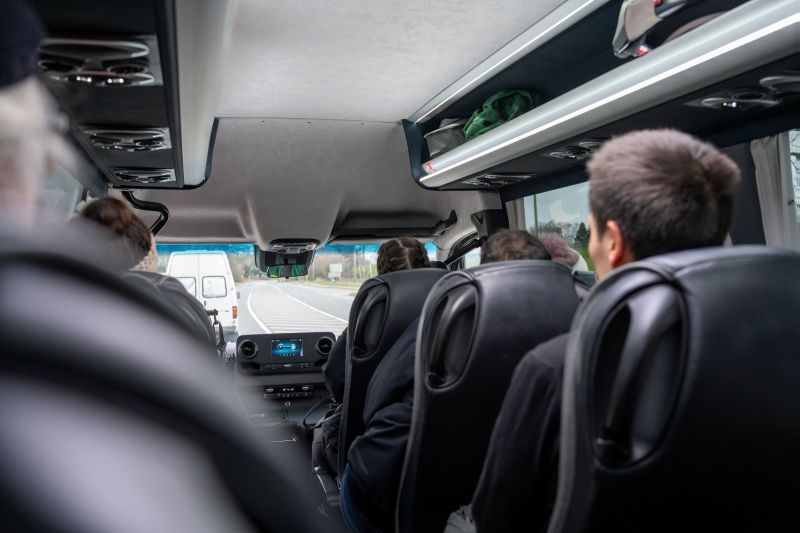
Background Checks for Church Drivers
Driving deserves separate attention because it is easy to overlook when churches develop screening policies.
Church employees and volunteers may:
- Drive church-owned vans or buses
- Transport children to youth activities
- Transport adults to services or programs
- Drive to camps or retreats
- Make deliveries
- Provide transportation as part of community outreach
When driving is an assigned responsibility, criminal-history screening alone does not address the information most directly related to that responsibility.
A motor vehicle record can provide information concerning an individual’s driving history.
Churches should also consider applicable insurance requirements, vehicle policies, driver qualifications and other requirements when determining who is permitted to transport participants.
Screen the responsibility—not simply the individual.
Creating a Consistent Church Background Screening Policy
An effective screening program is more than a collection of individual background checks.
A church can benefit from establishing a written, consistent approach addressing questions such as:
- Which employees and volunteers require screening?
- Which positions involve children or vulnerable populations?
- Which positions permit unsupervised access?
- Which positions involve driving?
- Which searches are required for each type of position?
- When should screening occur?
- Are volunteers periodically rescreened?
- How are screening results reviewed?
- Who within the church is authorized to review the information?
- How are screening records handled?
- Which programs are subject to specific state, licensing, insurance or denominational requirements?
The objective is consistency.
Instead of deciding what to do each time someone volunteers, the church has already established the screening standard associated with the position.
That can make the process easier for administrators while helping ensure that similarly situated volunteers are treated consistently.
Screening Beyond Michigan Criminal Records
One of the most important screening decisions a church can make is determining the appropriate geographic scope of criminal-history research.
People move.
A Michigan congregation can include employees and volunteers who previously lived throughout the United States.
If an individual spent much of his or her adult life outside Michigan, limiting criminal-history research to Michigan simply because the person now lives here may leave potentially relevant jurisdictions unsearched.
Identity and address-history information can help identify jurisdictions that may warrant consideration.
This is one of the principal differences between simply obtaining a Michigan criminal-history search and developing a broader background-screening program.
Where the church is located and where the individual has lived are two different questions.
Why Michigan Churches Use Background Check Central
Background Check Central is a Michigan-based background screening company serving organizations that want professional screening capabilities combined with accessible human support.
Screening Based on Responsibility
We help organizations think about screening in relation to what an employee or volunteer will actually be doing.
A volunteer driver and an administrative volunteer do not necessarily need identical screening.
Experienced Human Support
Churches often do not have an internal background-screening department.
When questions arise, our clients can speak with knowledgeable people who understand the screening process and available services.
Screening Beyond a Michigan-Only Search
When appropriate, screening can address jurisdictions and information beyond Michigan criminal-history records.
Support for Employees and Volunteers
Churches frequently need to screen both paid employees and volunteers. Background Check Central can support both while recognizing that the screening and compliance considerations are not necessarily identical.
A Michigan-Based Screening Partner
Background Check Central is based in Michigan.
For Michigan churches that prefer working with an experienced screening provider they can actually reach when questions arise, that matters.

Frequently Asked Questions About Michigan Church Background Checks
Are Michigan churches required to background-check volunteers?
There is no single Michigan law requiring the same background check for every volunteer at every church. Specific requirements can apply to certain licensed or regulated programs, including particular child-care and camp environments. Churches may also establish their own screening requirements for positions not governed by a specific mandate.
Should Sunday school and youth ministry volunteers have background checks?
Many churches establish screening requirements for individuals working with children and youth. The appropriate screening depends upon the position, level of access, church policy and any requirements applicable to the particular program.
Can a Michigan church use ICHAT for volunteer background checks?
Yes, ICHAT can provide certain public Michigan criminal-history information. Churches should understand its scope, however. ICHAT does not include criminal history from other states or several other categories of records.
Does ICHAT provide a nationwide criminal background check?
No. ICHAT searches public criminal-history information maintained by the Michigan State Police within the scope of that system. It does not search criminal history from other states.
Do church employees and volunteers require the same background checks?
Not necessarily. Screening should reflect the responsibilities of the position, and employment background screening can involve legal requirements that differ from those associated with some volunteer screening situations.
Should church volunteer drivers have their driving records checked?
When driving is part of the volunteer’s responsibilities, a motor vehicle record can provide information directly related to that role. Churches should also consider insurance and organizational requirements applicable to drivers.
How often should church volunteers be rescreened?
There is no single interval appropriate to every church or position. Rescreening frequency may depend upon church policy, responsibilities, applicable regulations, insurance requirements and the type of information being monitored.
What should a church volunteer background check include?
There is no universal package appropriate to every volunteer. Depending upon the role, screening may include criminal-history research, sex-offender registry searches, identity and address-history information, motor vehicle records and other appropriate searches or verifications.
What if our church operates a child-care center or children’s camp?
Do not assume that the church’s ordinary volunteer-screening process satisfies the requirements for a regulated program. Michigan has specific background-check and clearance procedures applicable to covered licensed child-care facilities and children’s camps. Churches operating these programs should follow the applicable state requirements.
Talk With a Michigan Church Background Screening Specialist
Your church does not have to begin by choosing a standard background-check package.
Begin with the people and the positions.
Who will this individual interact with? What access will they have? Will they drive? Will they work with children or vulnerable individuals? Is the program subject to specific regulatory requirements?
Those answers help determine the appropriate screening.
Background Check Central helps Michigan churches screen employees and volunteers with an approach built around responsibility, relevance and experienced human support.
For additional information about screening volunteers across different types of organizations, explore our guide to Michigan volunteer background checks.
Is an ICHAT Search Enough for a Michigan Church Volunteer?
Michigan churches researching volunteer screening frequently encounter ICHAT, the Internet Criminal History Access Tool operated by the Michigan State Police.
ICHAT provides access to public criminal-history information maintained by the Michigan State Police.
It can be a useful source of Michigan criminal-history information.
But an ICHAT search and a complete church volunteer screening program are not necessarily the same thing.
Michigan State Police explains that ICHAT does not include several categories of information, including federal records, tribal records, traffic records, juvenile records, certain local misdemeanors and criminal history from other states.
That last limitation is particularly important.
Suppose a prospective volunteer moved to Michigan three years ago after spending 20 years in another state.
An ICHAT search addresses Michigan criminal-history information within its scope. It does not automatically search the state where that individual previously lived.
That doesn’t make ICHAT ineffective.
It means organizations should understand the question the search actually answers.
For some positions, a Michigan search may be part of an appropriate screening process. For others, the individual’s history and responsibilities may indicate that additional screening should be considered.
The better question is therefore not simply:
“Did we run ICHAT?”
It is:
“Did we conduct screening appropriate to this individual’s history and the responsibility we are giving them?”
Background Checks for Church Volunteers Working With Children
Positions involving children understandably receive particular attention in church screening programs.
Depending upon the church and program, these positions might include:
- Nursery volunteers
- Sunday school teachers
- Youth ministry volunteers
- Youth group leaders
- Camp staff and volunteers
- Mentors
- Volunteer drivers
- Coaches or recreational volunteers
- Employees working in children’s programs
Churches should distinguish between their own screening policies and requirements that may apply when a church operates a regulated program.
For example, Michigan’s licensed child-care background-check system requires comprehensive screening for individuals in specified roles, including volunteers with unsupervised access to children. The state describes that process as including Michigan and FBI fingerprint-based criminal-history checks, sex-offender registry checks, a Michigan child-abuse and neglect registry check and other components. Additional out-of-state checks may be required when an individual has lived outside Michigan during the preceding five years.
Michigan children’s camps also have specific background-clearance requirements applicable to covered employees and volunteers.
These state processes should not be replaced by a commercial background check when the regulated program requires the state-prescribed process.
For church activities outside those regulated environments, the church can establish screening standards appropriate to its programs, responsibilities and policies.
Church Employees and Volunteers May Require Different Screening
A church’s screening program should also recognize the distinction between employees and volunteers.
Employment background screening conducted by a third-party consumer reporting agency can involve requirements under the federal Fair Credit Reporting Act, including disclosure, authorization and procedures associated with certain adverse employment decisions.
Volunteer screening can present different legal and procedural considerations depending upon the circumstances.
Churches should therefore avoid assuming that a screening process designed for employees can simply be applied unchanged to every volunteer—or vice versa.
Background Check Central works with organizations to help identify appropriate screening services for different categories of people and positions.
Background Checks for Church Drivers
Driving deserves separate attention because it is easy to overlook when churches develop screening policies.
Church employees and volunteers may:
- Drive church-owned vans or buses
- Transport children to youth activities
- Transport adults to services or programs
- Drive to camps or retreats
- Make deliveries
- Provide transportation as part of community outreach
When driving is an assigned responsibility, criminal-history screening alone does not address the information most directly related to that responsibility.
A motor vehicle record can provide information concerning an individual’s driving history.
Churches should also consider applicable insurance requirements, vehicle policies, driver qualifications and other requirements when determining who is permitted to transport participants.
Screen the responsibility—not simply the individual.
Creating a Consistent Church Background Screening Policy
An effective screening program is more than a collection of individual background checks.
A church can benefit from establishing a written, consistent approach addressing questions such as:
- Which employees and volunteers require screening?
- Which positions involve children or vulnerable populations?
- Which positions permit unsupervised access?
- Which positions involve driving?
- Which searches are required for each type of position?
- When should screening occur?
- Are volunteers periodically rescreened?
- How are screening results reviewed?
- Who within the church is authorized to review the information?
- How are screening records handled?
- Which programs are subject to specific state, licensing, insurance or denominational requirements?
The objective is consistency.
Instead of deciding what to do each time someone volunteers, the church has already established the screening standard associated with the position.
That can make the process easier for administrators while helping ensure that similarly situated volunteers are treated consistently.
Screening Beyond Michigan Criminal Records
One of the most important screening decisions a church can make is determining the appropriate geographic scope of criminal-history research.
People move.
A Michigan congregation can include employees and volunteers who previously lived throughout the United States.
If an individual spent much of his or her adult life outside Michigan, limiting criminal-history research to Michigan simply because the person now lives here may leave potentially relevant jurisdictions unsearched.
Identity and address-history information can help identify jurisdictions that may warrant consideration.
This is one of the principal differences between simply obtaining a Michigan criminal-history search and developing a broader background-screening program.
Where the church is located and where the individual has lived are two different questions.
Why Michigan Churches Use Background Check Central
Background Check Central is a Michigan-based background screening company serving organizations that want professional screening capabilities combined with accessible human support.
Screening Based on Responsibility
We help organizations think about screening in relation to what an employee or volunteer will actually be doing.
A volunteer driver and an administrative volunteer do not necessarily need identical screening.
Experienced Human Support
Churches often do not have an internal background-screening department.
When questions arise, our clients can speak with knowledgeable people who understand the screening process and available services.
Screening Beyond a Michigan-Only Search
When appropriate, screening can address jurisdictions and information beyond Michigan criminal-history records.
Support for Employees and Volunteers
Churches frequently need to screen both paid employees and volunteers. Background Check Central can support both while recognizing that the screening and compliance considerations are not necessarily identical.
A Michigan-Based Screening Partner
Background Check Central is based in Michigan.
For Michigan churches that prefer working with an experienced screening provider they can actually reach when questions arise, that matters.
Frequently Asked Questions About Michigan Church Background Checks
Are Michigan churches required to background-check volunteers?
There is no single Michigan law requiring the same background check for every volunteer at every church. Specific requirements can apply to certain licensed or regulated programs, including particular child-care and camp environments. Churches may also establish their own screening requirements for positions not governed by a specific mandate.
Should Sunday school and youth ministry volunteers have background checks?
Many churches establish screening requirements for individuals working with children and youth. The appropriate screening depends upon the position, level of access, church policy and any requirements applicable to the particular program.
Can a Michigan church use ICHAT for volunteer background checks?
Yes, ICHAT can provide certain public Michigan criminal-history information. Churches should understand its scope, however. ICHAT does not include criminal history from other states or several other categories of records.
Does ICHAT provide a nationwide criminal background check?
No. ICHAT searches public criminal-history information maintained by the Michigan State Police within the scope of that system. It does not search criminal history from other states.
Do church employees and volunteers require the same background checks?
Not necessarily. Screening should reflect the responsibilities of the position, and employment background screening can involve legal requirements that differ from those associated with some volunteer screening situations.
Should church volunteer drivers have their driving records checked?
When driving is part of the volunteer’s responsibilities, a motor vehicle record can provide information directly related to that role. Churches should also consider insurance and organizational requirements applicable to drivers.
How often should church volunteers be rescreened?
There is no single interval appropriate to every church or position. Rescreening frequency may depend upon church policy, responsibilities, applicable regulations, insurance requirements and the type of information being monitored.
What should a church volunteer background check include?
There is no universal package appropriate to every volunteer. Depending upon the role, screening may include criminal-history research, sex-offender registry searches, identity and address-history information, motor vehicle records and other appropriate searches or verifications.
What if our church operates a child-care center or children’s camp?
Do not assume that the church’s ordinary volunteer-screening process satisfies the requirements for a regulated program. Michigan has specific background-check and clearance procedures applicable to covered licensed child-care facilities and children’s camps. Churches operating these programs should follow the applicable state requirements.
Talk With a Michigan Church Background Screening Specialist
Your church does not have to begin by choosing a standard background-check package.
Begin with the people and the positions.
Who will this individual interact with? What access will they have? Will they drive? Will they work with children or vulnerable individuals? Is the program subject to specific regulatory requirements?
Those answers help determine the appropriate screening.
Background Check Central helps Michigan churches screen employees and volunteers with an approach built around responsibility, relevance and experienced human support.
Contact Background Check Central to discuss background screening for your church.
For additional information about screening volunteers across different types of organizations, explore our guide to Michigan volunteer background checks.